





Lock-in risk assessment
The RIBA Passivhaus Overlay, published by the RIBA in 2022, states in relation to the lock-in risk assessment: “Lock-in occurs when infrastructure, technology and product design choices are responsible for avoidable GHG emissions. In this context the term refers to moderate improvements in energy efficiency which are undertaken on retrofit projects. Once such measures have been undertaken it becomes unsustainable, uneconomical and impractical to change the building, leading to substandard performance for at least 30 or 40 years. To avoid lock-in the standard of energy efficiency achieved by each measure must be future-proof. A lock-in risk assessment considers a range of scenarios, the construction sequence, phasing, maintenance plans and financial planning, and seeks to achieve the best possible outcome over the lifecycle of the building. Sometimes it may be more beneficial to postpone a measure, so that it may be undertaken properly later, rather than using a moderate improvement which fits within a restricted, but existing budget. Where possible less energy-intensive technology and product design choices should be used to ‘leapfrog’ emissions-intensive intermediate technology and jump straight to cleaner solutions.”
[edit] Related articles on Designing Buildings
Featured articles
Check out some of the best features and news from Designing Buildings as well as key stories from around the web.
Undervaluing our industrial past

Heritage value changes as taste for building styles changes.
Changing expectations around competence and compliance

New information sheet from CIAT.
Grenfell investigation files passed to CPS

Angela Rayner apologises on behalf of the British state.

Electrical contractors need to understand the practical implications.

The real barrier to getting more value from digital technology.

Your guide to The Construction Reset at UKCW Birmingham.

Accommodating the Victorian and Edwardian working woman. Book review.
Rethinking passive fire protection in design

PFP demands the same level of design rigour as structure or services.

38% of Gen Zs feel safe when a fire door is wedged open.
Stunning images from around the world
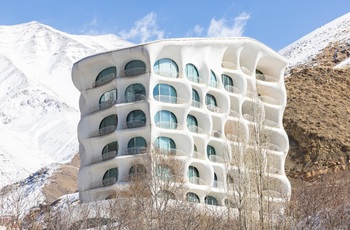
Shortlist for CIOB’s Art of Building photography competition.
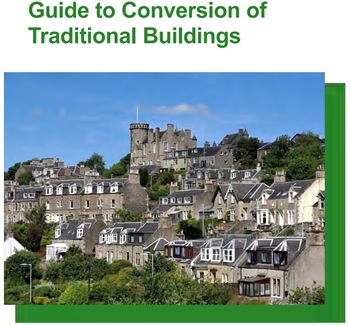
Guidance for conversion of traditional pre-1919 stone buildings.
Industrial heritage in the Ruhr
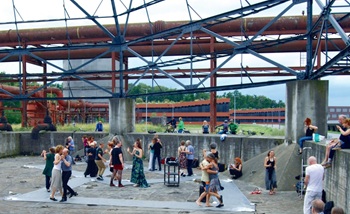
A marked difference to the fate of industrial landscapes in the UK.
Comments
[edit] To make a comment about this article, or to suggest changes, click 'Add a comment' above. Separate your comments from any existing comments by inserting a horizontal line.